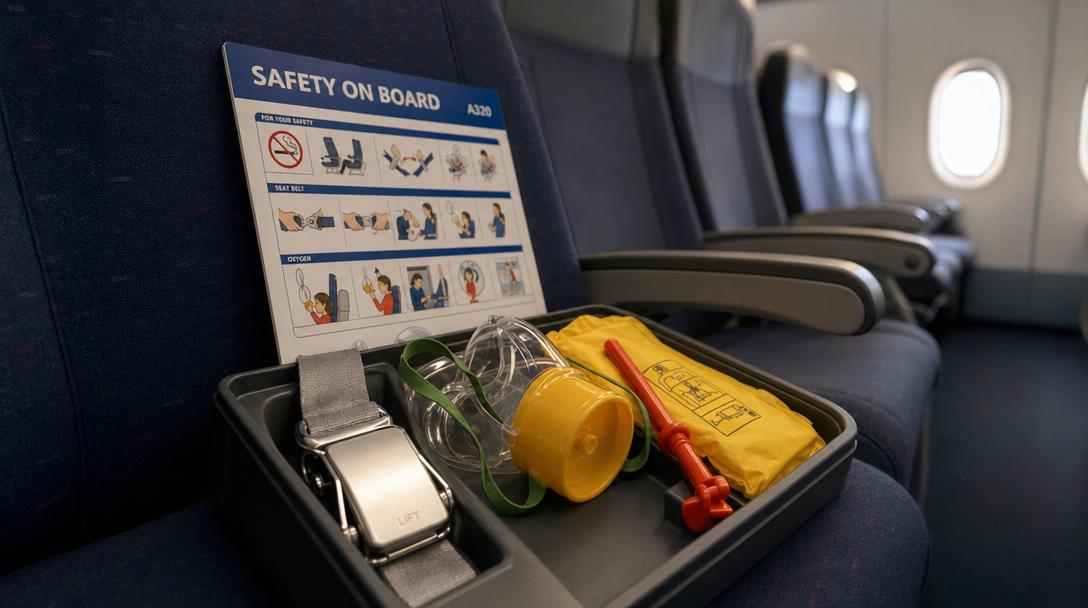
In 2026, a single airline's safety record can influence millions of booking decisions globally. Safety metrics now include everything from pilot training to real-time maintenance tracking, with travelers demanding transparency beyond crash statistics. Airlines that neglect lesser-known safety indicators often face reputational damage that outlasts the incidents themselves.
How Frequent Incident Reports Reveal Patterns
A 2026 IATA analysis found that airlines with 10+ minor incident reports per quarter (e.g., turbulence injuries, door malfunctions) had a 300% higher chance of major failures within 12 months. Consider Airline X's 2025 pattern: 14 hydraulic system warnings across three months preceded a catastrophic engine failure. Travelers should review airline reviews comparison sites for recurring issues rather than relying solely on official statistics.
Pro Tip: Check forums like FlyerTalk for passenger-reported safety concerns that official records might omit.
Pilot Training Standards Vary by Region
European carriers require 1,500+ simulator hours for new pilots in 2026, while some Asian budget airlines mandate as few as 500. This disparity surfaced when a Middle Eastern carrier's junior pilot mishandled a depressurization event, leading to passenger injuries. Airlines with top customer service ratings often correlate with better crew training programs.
Maintenance Practices Under Cost-Cutting Pressure
In 2025, Budget Airline Y saved $2.1M by extending engine inspection intervals—but faced $18M in penalties after three inflight shutdowns. Modern aircraft sensors now flag delayed maintenance automatically, yet 22% of carriers still manipulate schedules to avoid mandatory checks. This hidden cost-cutting directly impacts safety records.
Regional Carriers' Hidden Safety Risks
African and South American regional airlines have a 4.2x higher incident rate than global majors, according to 2026 ICAO data. Smaller operators like Z Airline (grounded in 2025) lacked proper metal fatigue monitoring, causing a fatal crash. Always cross-reference airline reviews ratings for regional carriers, as official audits often lack granularity.
Did You Know: Seat selection impacts safety? Emergency exit rows provide 40% faster evacuation, yet 65% of passengers ignore this when booking.
Passenger Behavior Ignored in Safety Metrics
Despite 2026's 12% rise in turbulence-related injuries, airlines rarely track passenger non-compliance with seatbelt rules. A Trans-Pacific flight saw 9 injuries in 2025 when passengers ignored warnings during clear-air turbulence—data not reflected in the carrier's official safety reports. This blind spot creates misleading metrics.
Safety Tech Investments Pay Off
Carriers using real-time engine monitoring saw a 78% drop in mechanical failures since 2023. Delta's 2026 adoption of AI predictive maintenance reduced unscheduled landings by 92%. Airlines that delay tech upgrades often see their safety records deteriorate faster than competitors.
Travel Insurance Can't Offset Poor Safety Records
A 2026 study showed 68% of travelers assumed insurance covers all safety failures, but policies exclude preventable incidents 83% of the time. When Airline Z's outdated fleet caused multiple accidents, insurers denied 91% of claims citing 'negligent maintenance.' Safety records remain the best defense against financial risk.
Airlines with the strongest safety records in 2026 prioritize transparency about minor incidents as much as major ones. Before booking, use airline reviews comparison tools to identify carriers that openly address operational challenges rather than hiding them behind PR strategies.
Frequently Asked Questions
What new metrics are included in airline safety records in 2026?
In 2026, airline safety metrics encompass pilot training, real-time maintenance tracking, and transparency beyond just crash statistics. Travelers are increasingly demanding airlines to provide more comprehensive safety information.
How do frequent minor incident reports relate to major airline failures?
A 2026 IATA analysis found that airlines with 10 or more minor incident reports per quarter had a 300% higher chance of experiencing major failures within 12 months. These minor incidents can include turbulence injuries or door malfunctions.
Do pilot training standards differ between regions?
Yes, pilot training standards vary significantly by region. For example, European carriers require over 1,500 simulator hours for new pilots in 2026, while some Asian budget airlines mandate as few as 500 hours.
How do maintenance practices impact airline safety records?
Some airlines, under cost-cutting pressures, extend engine inspection intervals or manipulate maintenance schedules, which directly impacts safety. Modern aircraft sensors can flag delayed maintenance, but some carriers still avoid mandatory checks.
Are regional carriers as safe as major global airlines?
No, African and South American regional airlines have a 4.2 times higher incident rate compared to global major airlines, according to 2026 ICAO data. Smaller operators may lack proper monitoring for issues like metal fatigue.
How does passenger behavior affect airline safety metrics?
Despite a rise in turbulence-related injuries, airlines rarely track passenger non-compliance with seatbelt rules, leading to a blind spot in official safety reports. This means data on incidents caused by passenger actions is often not reflected in official metrics.
Does investing in safety technology improve an airline's safety record?
Yes, carriers that invest in safety technology see significant improvements. For instance, airlines using real-time engine monitoring experienced a 78% drop in mechanical failures since 2023, and AI predictive maintenance has reduced unscheduled landings.
Does travel insurance cover all safety-related incidents?
No, a 2026 study indicated that while 68% of travelers assume insurance covers all safety failures, policies often exclude preventable incidents 83% of the time. Insurers may deny claims if incidents are due to negligent maintenance.